Nexarcor Takes Aim at the Growing Challenge of Customer Management
South African technology platform focuses on helping businesses bring leads, sales opportunities and customer relationships into one organised pipeline


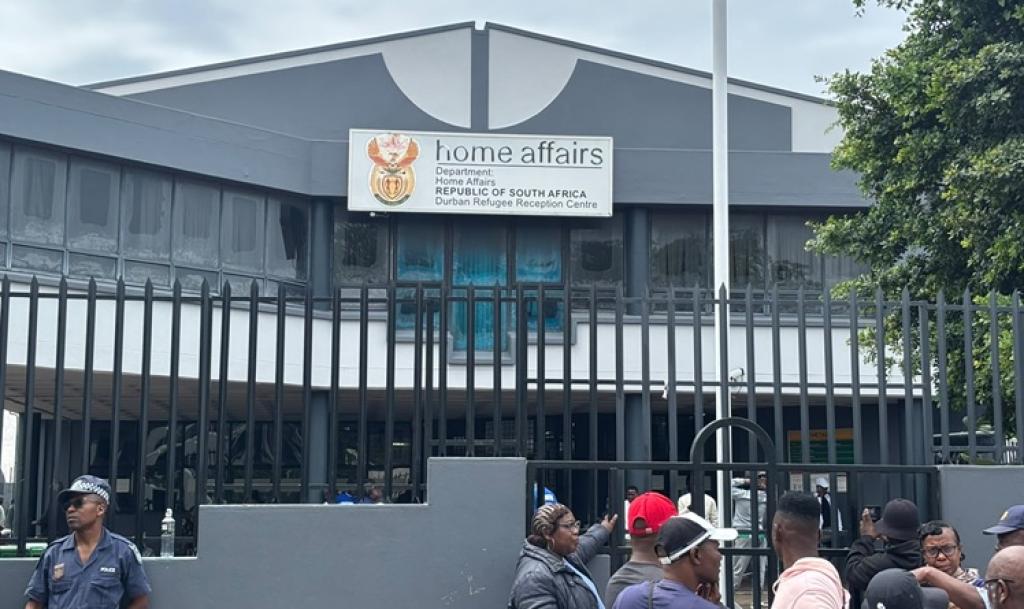
South Africa’s Department of Home Affairs is facing renewed public scrutiny over immigration management following anti-migration protests in several parts of the country, including Johannesburg, Durban and Pretoria.
By Tyse.online News Desk | 11 October 2026
South Africa’s Department of Home Affairs is facing renewed public scrutiny over immigration management following anti-migration protests in several parts of the country, including Johannesburg, Durban and Pretoria.
The protests have intensified debate about undocumented foreign nationals, asylum applications, border security and the government’s ability to manage migration effectively. Demonstrators have called on authorities to prioritise South African citizens and strengthen measures against illegal immigration.
The latest demonstrations followed a Constitutional Court judgment delivered in July 2026 concerning access to South Africa’s asylum application process.
The ruling found certain provisions of the Refugees Act unconstitutional because they could prevent people from having their asylum claims assessed on their merits due to procedural requirements, including how or when they entered the country.
Following the judgment, Home Affairs issued a directive instructing refugee reception offices to accept asylum applications from individuals who had entered South Africa irregularly.
The directive sparked public debate, with some South Africans expressing concern that the decision could make it more difficult for authorities to control illegal immigration.
However, the government has clarified that the ruling does not automatically grant asylum, permanent residence or citizenship to undocumented foreign nationals. Each application must still be assessed in accordance with the law.
On 9 October 2026, Home Affairs withdrew the directive relating to the intake of asylum applications following violent protests in Soweto and Durban.
The department cited operational pressures, concerns about the safety of officials and the risks to public order as reasons for reconsidering how the court judgment should be implemented.
The withdrawal does not reverse the Constitutional Court’s ruling. Home Affairs is expected to develop a revised operational approach that complies with the judgment while addressing the challenges faced by refugee reception offices.
Reports of vehicles being set alight and foreign-owned businesses being looted have also raised concerns about public safety and the protection of property.
Government officials have condemned criminal acts associated with the unrest and warned against misinformation surrounding the asylum process.
As immigration remains a national talking point, the Department of Home Affairs continues to offer online services intended to improve access to government documentation and appointments.
South African citizens can use the official eHomeAffairs platform to submit eligible identity document and passport applications, make payments and book appointments where available.
The department also operates MyHomeAffairsOnline, which provides access to selected services, including branch appointment bookings and certain identity-related applications.
These online platforms are part of the department’s broader digital service delivery efforts. They should not be confused with a newly launched online asylum application system in response to the recent protests.
Citizens can access the official platforms here:
The protests reflect continuing frustration among sections of the public over illegal immigration, unemployment, crime and pressure on public services.
Demonstrators have demanded stronger border controls, the identification and deportation of undocumented foreign nationals where legally justified, and more effective enforcement of immigration legislation.
At the same time, the government has emphasised that immigration enforcement must take place within the law. People who qualify for refugee protection are entitled to have their claims considered through the appropriate legal process.
The challenge facing authorities is to address legitimate concerns about immigration enforcement while protecting constitutional rights and preventing violence against people because of their nationality.
The coming weeks will be important as Home Affairs works on its response to the court judgment and the operational challenges facing refugee reception offices.
South Africans will be watching to see whether the government introduces clearer procedures, strengthens immigration enforcement and improves the capacity of its offices to process applications.
For now, the key issue remains how the country can manage migration effectively, uphold the law and respond to public concerns without allowing misinformation or violence to undermine social stability.
Tyse.online will continue to follow developments involving Home Affairs, immigration policy and government service delivery in South Africa.